Uluru Packing List
SEO Title
My advice is to make your Uluru packing list before you start to panic. You want to know what to have with you at Uluru? In brief: light clothes that are sun-safe, good walking shoes, warm layers for when it gets cool in the morning or at night, and a surplus of water capacity. Toss in some desert oddities most overlook such as lip balm, a torch and fly net.
I am Sophia Fairchild. Australian travel has taught me this much: the bush is indifferent to how your itinerary appears on your phone. Uluru and Kata Tjuta are as comfortable as they are moving and glorious with the right packing. Pack poorly and you can expect to be shivering, sweating and squinting for the duration of your trip, not to mention red dust in the most personal of places.
The One-Page Checklist
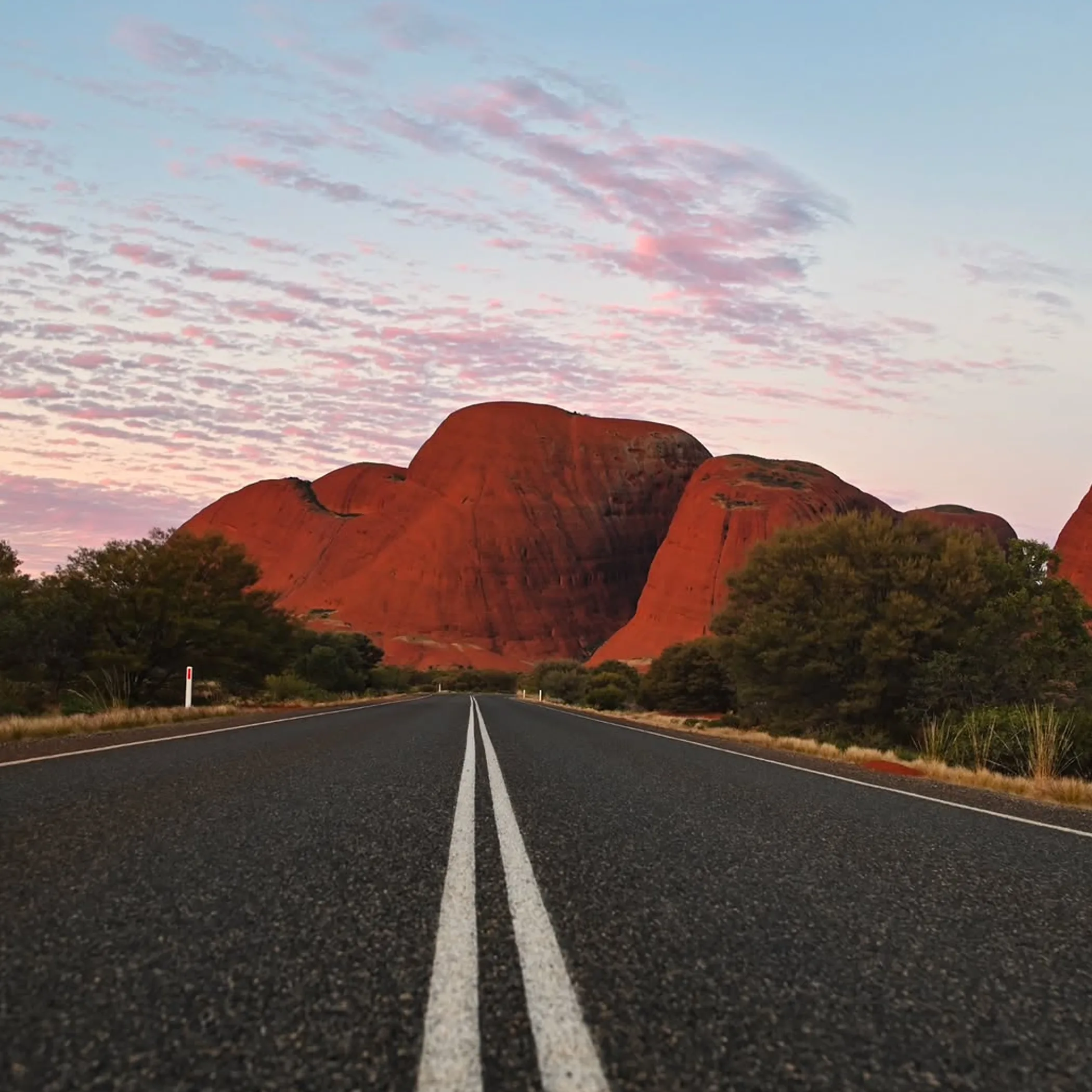
This is where I would put my money if you were to read only one part. A straightforward Outback packing list for those who are self-driving, on a tour, putting up camp near the Uluru-Kata Tjuṯa National Park or at Ayers Rock Resort.
There is seldom one blunder to account for what goes wrong. It is a confluence of five minor ones: the dinner attire that is absurd once the sun has set, a flat battery on the phone, a water bottle of modest size, no layers to speak of and shoes of the cheap variety. To avoid such mistakes, it’s important to consider the optimal seasons for Uluru when planning a visit.
- Clothing of the moisture-wicking sort for the heat of the day
- Thermal or other layers to see you through winter mornings, sunrise and sunset
- A jacket for warmth in the evenings and early hours
- Hiking boots or solid walking shoes
- Broad-brimmed hat
- Sunglasses
- SPF and lip balm
- Hydration pack or a reusable bottle
- Electrolytes
- Daypack
- Torch / headlamp
- Charging cables and power bank
- First-aid and any medications
- Camera (with storage to spare) or phone
- A laundry bag for the dusty garments
- Something you do not mind seeing a red dust stain on
- Snacks for the self-driver
Dress For The Cold, The Heat And The Dust
One does not need to be told that the desert is hot, yet that is the mistake made at Uluru. Under the direct sun the days are unforgiving but come the evening or a winter morning and it will be cold enough to warrant proper clothing.
You can take it from me that the Red Centre is not the venue for white linen you have an emotional connection with; it will return home as though it has been in a tussle with paprika. Leave the overly polished items at home.
Fabrics That Are Worth Their While
When deciding on what to wear, opt for quick-drying material and loose long sleeves over a heavy cotton top that will be damp with sweat. Moisture-wicking is handy for the Valley of the Winds at Kata Tjuta or the base of Uluru. Once the sun is up, bare skin is less appealing than a lightweight pair of long pants and a long sleeve which will also stave off the dust and sunburn. If you are looking to pack for a July visit, put thermal layers on under your morning clothes and have a warm jacket to hand.
Shoes, Not Sandals
For the marked walks a pair of sturdy walking shoes with some support and grip will do. But if you have weak ankles or intend to put in some distance at Kata Tjuta, the hiking boots are worth the weight in your bag. Do not be fooled by the easy strolling you may have in mind; uneven and rocky terrain and the heat put a different spin on things. Save the open sandals for the accommodation.
Put The Sun And Flies In Their Place
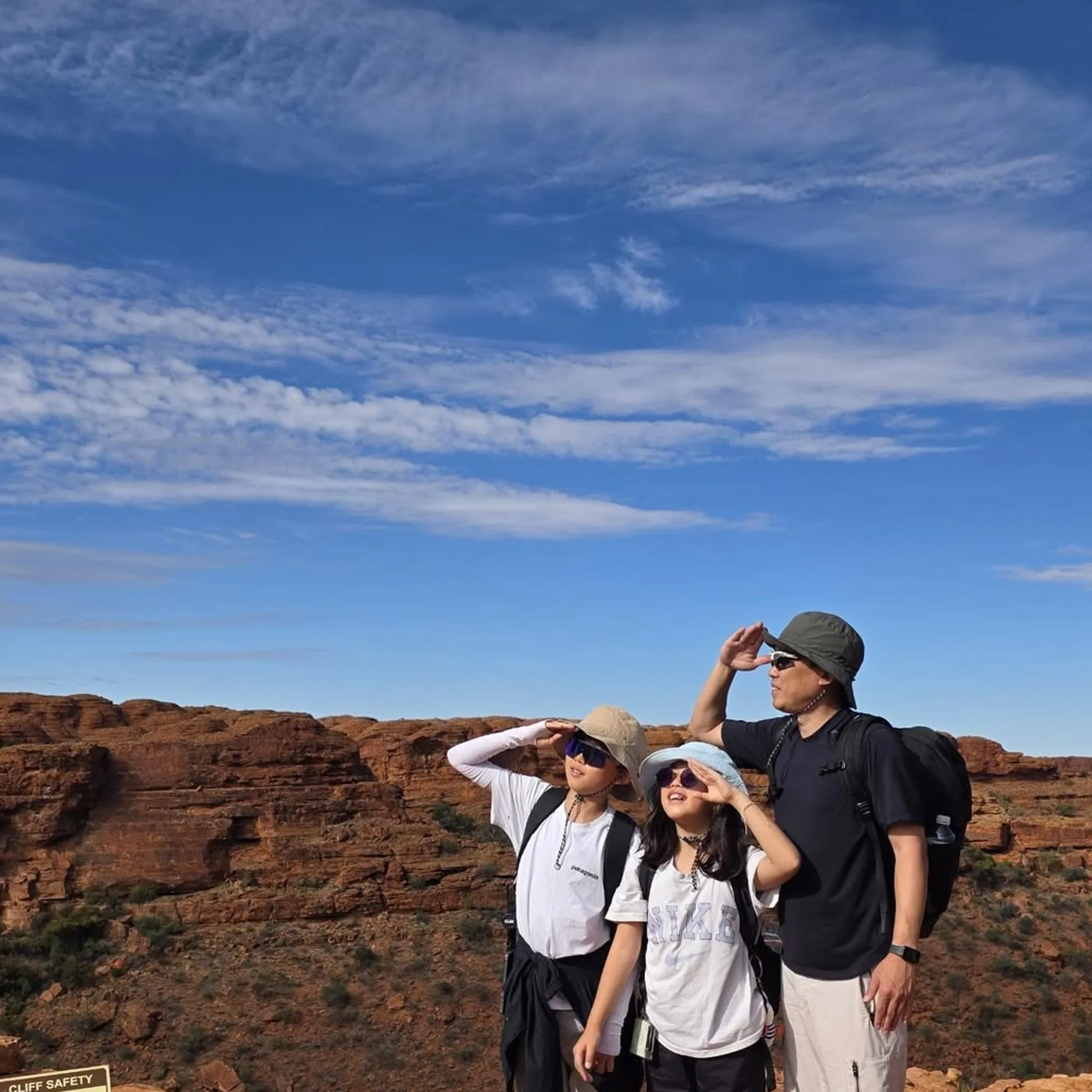
Neither the flies nor the sun at Uluru are to be trifled with. Here a small piece of gear will be felt straight away.
People will put on their sunscreen and nothing more, and then there is the matter of a burnt scalp, chapped lips and flies making like customs officers at your nostrils.
More Than Your Shoulders Need Covering
Make it a broad-brimmed hat and not a cap so your face, neck and ears are shielded. Have your SPF, sunglasses and a lip balm with some protection. And reapply the sunscreen with some frequency, particularly when you are perspiring. According to Parks Australia’s Uluru-Kata Tjuta National Park visitor information, be ready for the extremes and have a good supply of water to drink. You will not think it is so self evident when you are out in the open with nothing to put between you and the sun and your bottle has been empty for twenty minutes or more.
The Fly Net: Put It In Your Pack
In pictures a fly net is something of an eyesore, but it is worth it for your peace of mind. The bush flies can be unrelenting on a walk in the shoulder seasons and warmer months. Make a purchase before you leave or see to it you can get one in the area.
Travellers have a habit of leaving them behind as they are not essential, only to find themselves flapping about half the day and cursing their own folly.
Water: Make A Point Of It
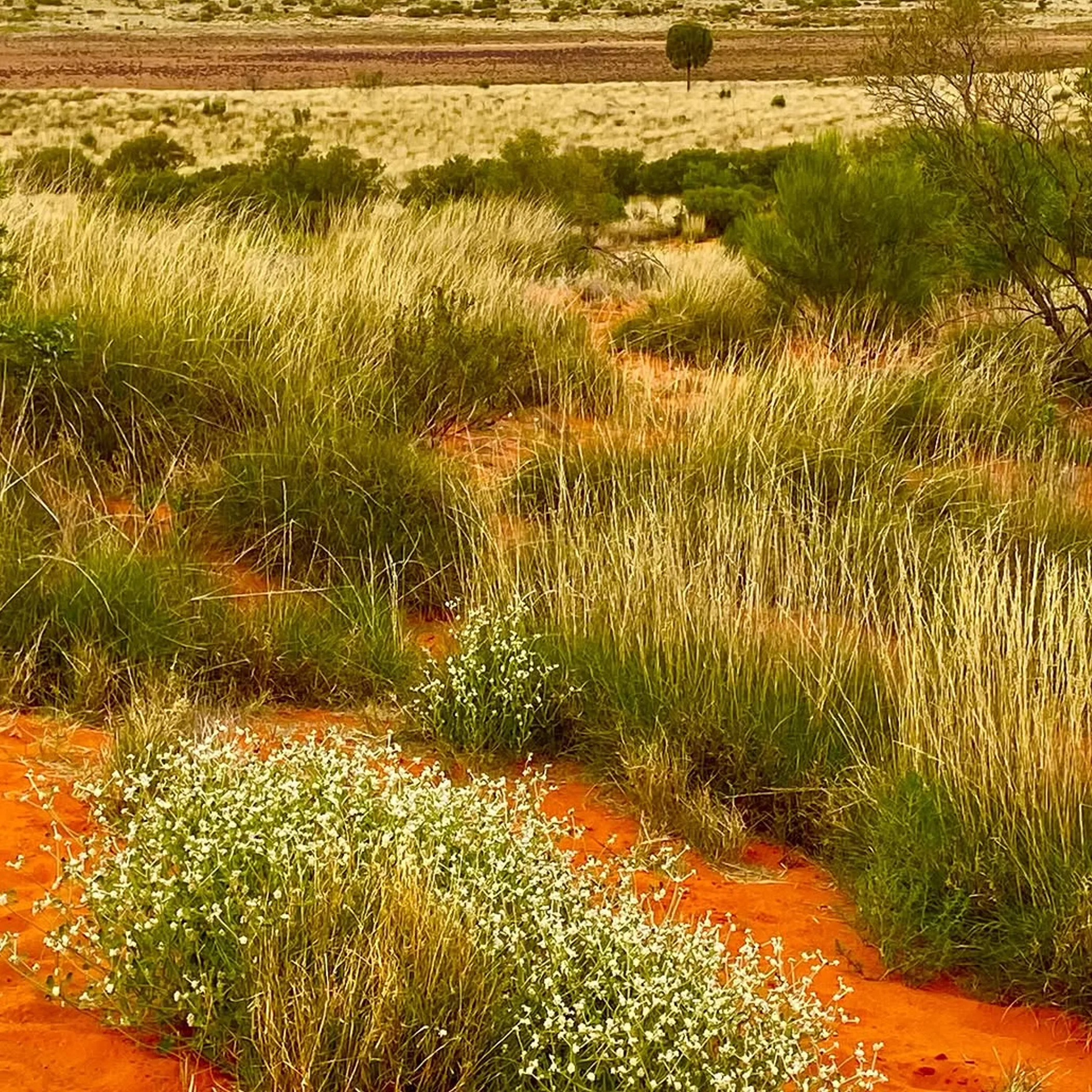
Out here hydration is a matter of logistics, not some wellness talking point. Be that a day trip, a stay at Ayers Rock Resort or you are making up a packing list for an Uluru camp, you want the capacity for any delays or extra miles you put in. Do not make a hopeful gesture of a small bottle from the kiosk at the airport and call it an outback plan.
Quantities
A person can put down 1.5 to 2 L and be content for a viewpoint or short walk, though in the heat it is little more than a minimum. On a more active day a hydration pack and a reusable bottle offer better options. And if you are putting in several walks and working up a sweat, electrolytes come in useful.
Those who drive themselves in the Red Centre should have some in the vehicle for good measure, not just what they have on hand. There is not much chance of a breakdown on the tourist roads, but being ill prepared has worse repercussions in these parts than in the suburbs.
On Food, Snacks And Cooking
Resort guests can afford to be light with food and let the local dining and groceries do the work, albeit at a price. As a rule of thumb expect to pay above metro rates for provisions in a remote location, freight being what it is; allow for that in your budget.
When you are camping or driving you will want to keep things simple and organised. A billy and a few utensils for a small camp kitchen, some wipes and bags for rubbish, and snacks with a bit of salt will all justify their place in your kit.
Gear To See You Through
There is enough time to fuss over what you are wearing without neglecting the unexciting stuff that makes for a smooth trip. Light does not last as long as you would like and you do not want to be in a dusty car park at dusk to discover your phone is on 3 per cent because your map has given up. These Uluru travel essentials are no show pieces, then again neither is having to feel your way to the dunny in the dark.
Daypack, Torch And Power
Take a decent daypack for your camera, sunscreen, layers and water. A headlamp or torch is of particular use at campgrounds or if you are about before the sun comes up and after it goes down.
Then there is the power bank which is more important to some travellers than they would have you believe. Between the photos, park info, bookings and the odd emergency call your phone will be hard put to it. One day of sunrise, sunset and evening activities and the battery will be gone.
Driving And Access
You will make your way to Uluru by way of the Stuart or Lasseter Highways or fly into Ayers Rock Airport. Self drivers should fill up and not be under the impression that a well trodden route means services are everywhere. Add in the heat and a few photo stops and a distance that seems fine on paper is another matter with road trains about.
Parking is no trouble for a standard visit to the walking and viewing areas, but the sunrise and sunset are popular. With a single day to spare, pick a major walk, a cultural spot and a sunset and do not try to run through it all. You will have less to swear about and more to put in memory.
| Trip Type | Best Packing Focus | Typical Day Reality | Who It Suits |
| 1-day fly-in | 2 L water, hat, sunscreen, power bank and light layers | An early start with plenty of sun and not much room for error | The short-stay type who is happy with a full day |
| 2–3 days at the resort | Reusable bottle, event wear, shoes for walking and some evening layers | Easy on the food and showers, time for a sunrise and sunset | First timers |
| The Camping Trip | Extra water, headlamp, camp cooking gear, first-aid kit, dust-proof storage | More self-reliance, colder nights, less forgiveness for poor prep | Confident planners and road trippers |
| An Active Walker’s Agenda | Hydration pack, hiking boots, electrolytes, thermal layers for early starts | Physical effort, exposed tracks, stronger need for pacing | Travellers with good mobility and heat awareness |
Minor Mishaps to be Prepared For
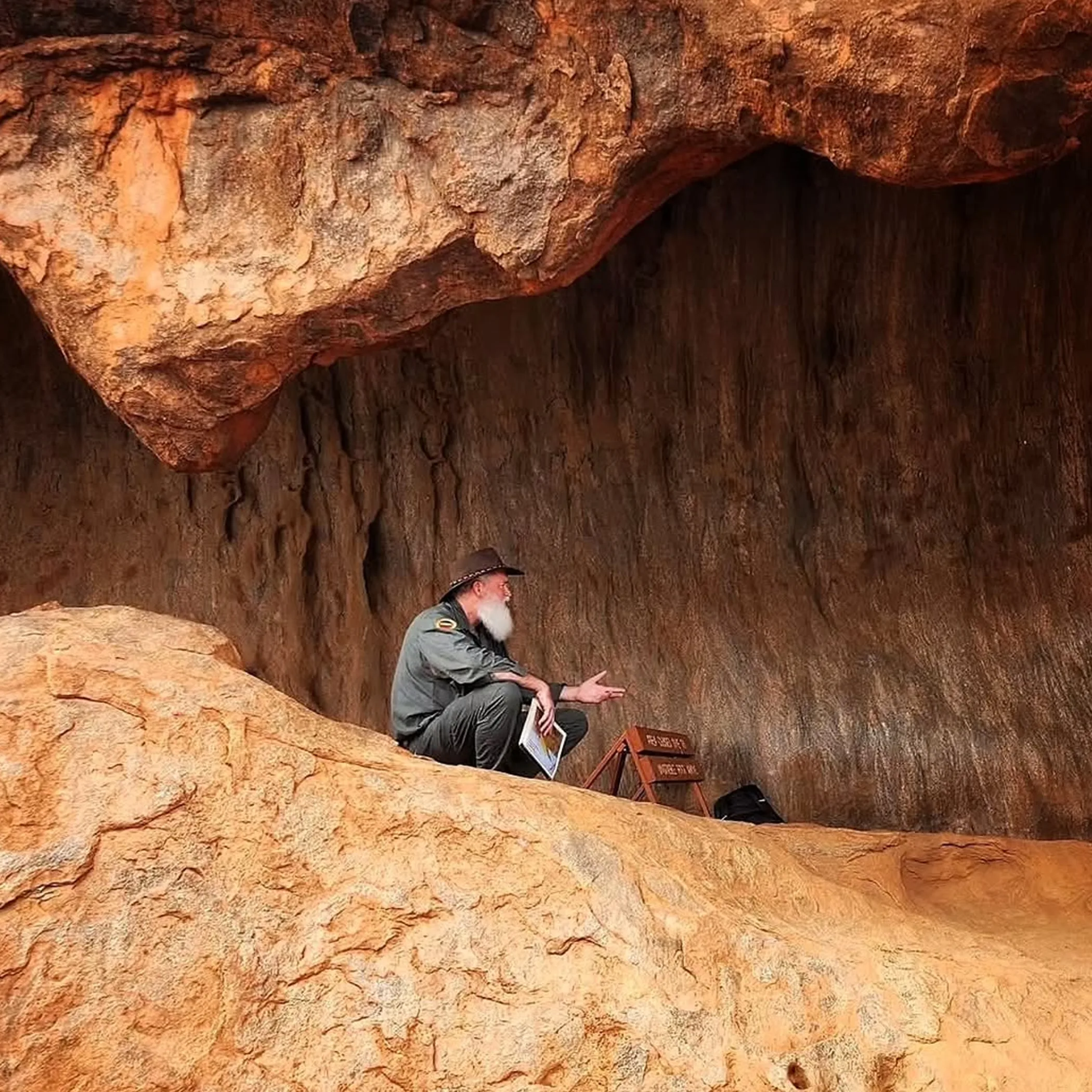
There is nothing dramatic about a first-aid kit, it is simply a practical thing. You are more likely to encounter blisters or a headache, dry skin, hay fever, cracked lips and dehydration than any major incident. The outback has a way of making small irritations into something more if you let them.
Folks make the mistake of thinking that because you are at a resort you have the convenience of the city. One can put in an order for supplies locally but it is cheaper and less trouble to be ready on arrival.
Health Items to Have on Hand
Your first-aid kit should cover pain relief, bandages, antiseptic wipes, blister treatment and prescriptions. Put in some saline eye drops for the dust. And do not measure your medication to the day; take more than the trip calls for in the event of a delay.
When in company of children or older relatives, or anyone the heat affects, opt for shorter walks and a gentler day. Some tracks are no place for a beginner in the height of the day, Kata Tjuta being a case in point as it is more of an undertaking than one might think.
Camping Versus Resort Packing
The packing list for Uluru is not one size fits all. There is a difference between what is needed for a couple of dusty nights under canvas and the set up of someone in the air-conditioning at Ayers Rock Resort.
Then there is Sophia Fairchild’s straightforward rule: you pack for your weakest point, not to show off. Should the weather change or dinner be late or the car get covered in dust, your equipment ought to see you through without a fuss.
For Campers
Make sure your Uluru list includes a torch, a camp chair, sleeping gear for the cold desert, rubbish and washing-up bags, a spare for the water and a repair kit for tent pegs and the like. A tub or bag that is dust-proof will save your clothes and food from going red-brown. Drivers would do well to have a paper map and tyre check gear, and plenty of snacks and water for any hold ups. On these roads you must be able to rely on yourself.
Resort Guests Need Not Bother With
Bulky cooking and camping paraphernalia can be left behind if you are at Ayers Rock Resort. Sun protection and good footwear are still de rigeur for a day out, as is a small bag and some layers. Organised accommodation does not alter the climate. Reality has a way of intruding on expectation: a pleasant room will not put the flies off or make the walk or sunset any more agreeable.
Evening Plans
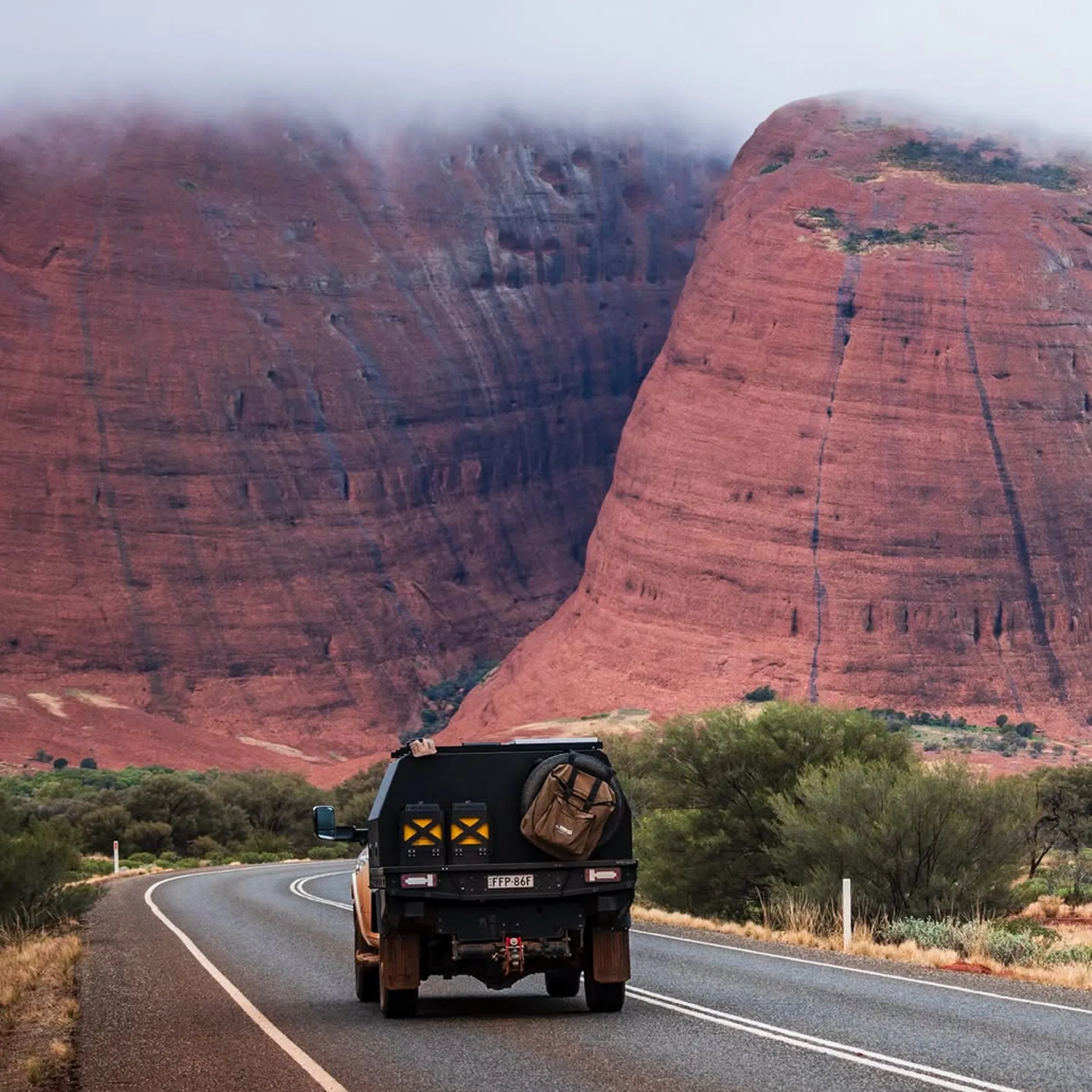
Uluru has its share of special events that seem dressy on paper but are in the desert in truth. No formalwear is required but you will want to look past your daytime shorts and thongs. This is especially so when it comes to Field of Light or the Sounds of Silence dinner. It can be dark and cold and dusty underfoot.
Field Of Light
Closed shoes and an outer layer for warmth are advisable, and clothing that is easy to move in given the light. A torch is useful although the operators may direct you according to your booking. If you have a camera or phone and plan to use it, keep it warm so the battery does not go flat in the cool, and bring along a power bank.
Dressing for the Sounds of Silence
Go for smart-casual, not formal. There is no need to overdo it; a good shirt, some long trousers or a casual dress and jacket will do. For footwear, closed shoes are the sensible option given the dusty and uneven ground. Leave at home anything that would be put out by a smattering of dirt. You are in the outback after all, not some city rooftop bar putting on an air of rusticity.
Seasonality Will Dictate Your Packing
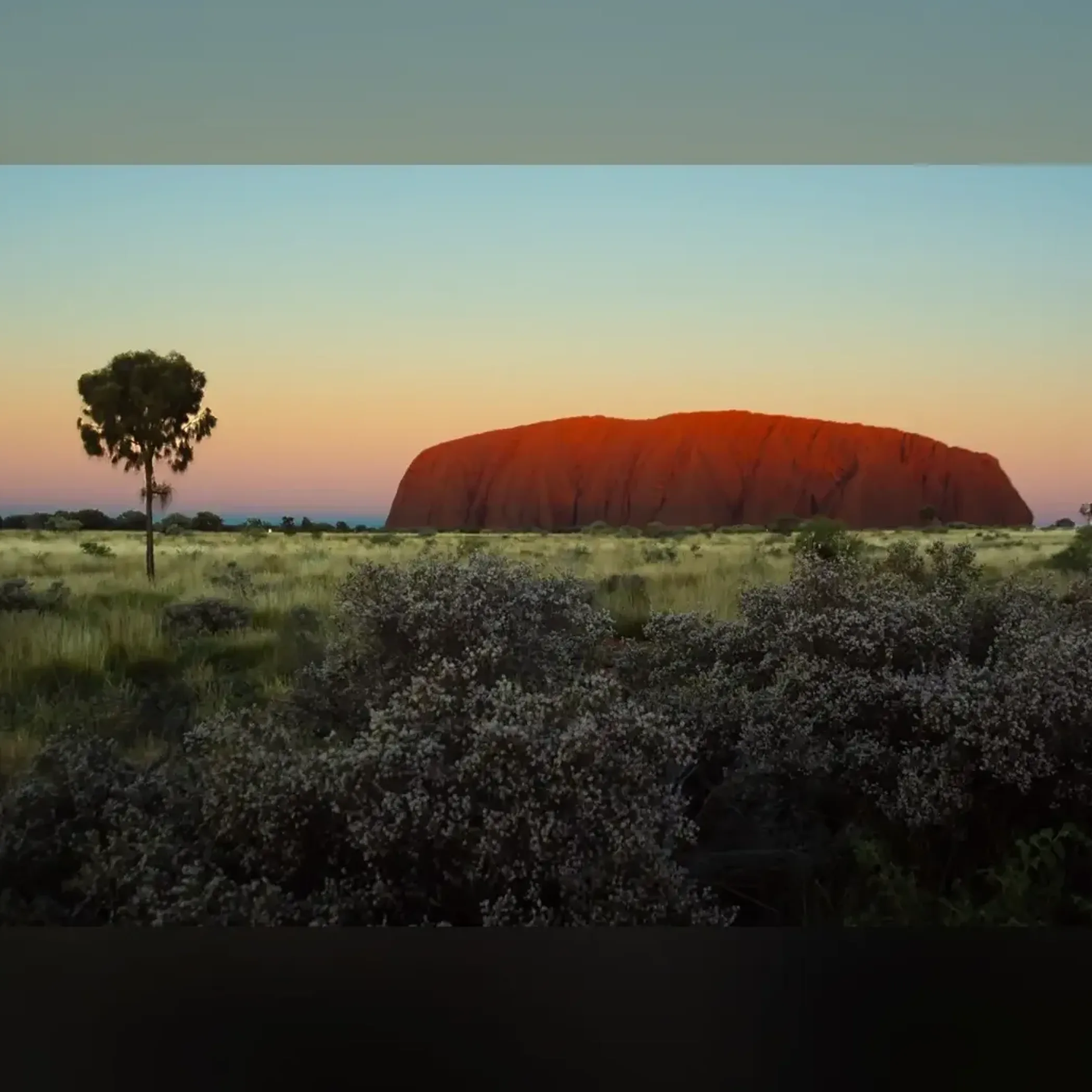
First-timers are often under the impression that they can pack as they please, but the seasons have a way of altering your list. While Uluru’s best seasons are for their mildness and the comfort they afford a walker, there is no one month that suits every traveller.
Shoulder and cooler months tend to be more accommodating if you have planned for long walks and time outside at dawn and dusk. In winter, say for a July visit, make sure to have thermal layers and a warm jacket for the morning and evening. Hotter months call for greater water capacity and sun coverage, and a change of pace.
The Year Round
One is taken aback by the cold of a post-sunset hour or the dawn in the cooler times. In the heat you find exposed walking to be a drain on your energies, distance notwithstanding. So when looking for outback packing advice, consider the conditions. The answer to what constitutes an optimal season for Uluru is simply to pack for the temperature extremes of a day and let the desert put any half-hearted planning to the test.
Some Questions Are Asked Of Us Repeatedly
Travellers want to have these settled before making for Uluru. Understandable. Better to get them sorted than stand in a car park with dust in your teeth.
Hiking boots?
They are not a must. Sturdy walking shoes will suffice for most on a moderate or short walk. But if you intend longer excursions about Kata Tjuta and want the ankle support, then by all means.
A fly net?
You will not need it daily but in heavy fly conditions it is a help. One of the least expensive ways to add some comfort to your bag if the flies are getting to you.
Shorts?
You can, though many find after a few hours in the open they would rather have the protection of a long sleeve and pants from the sun and dust.
Water requirements
Take on more than you think. Active sightseeing sees the average adult put down 1.5 to 2 L or so per person, and those in a car will have some in reserve. It is a matter of how hard you are walking and the length of the outing.
What to leave behind
Do not bother with flimsy sandals for a walk, bulky items of no use, or clothes of a delicate nature. And do not imagine an outfit will see you from breakfast to dinner. At Uluru you rely on layers.
In the end, a proper packing list for Uluru has nothing to do with filling your bag with gear. It is to ensure the trip is safe and comfortable enough that you can take in the place and the vast emptiness of the landscape.
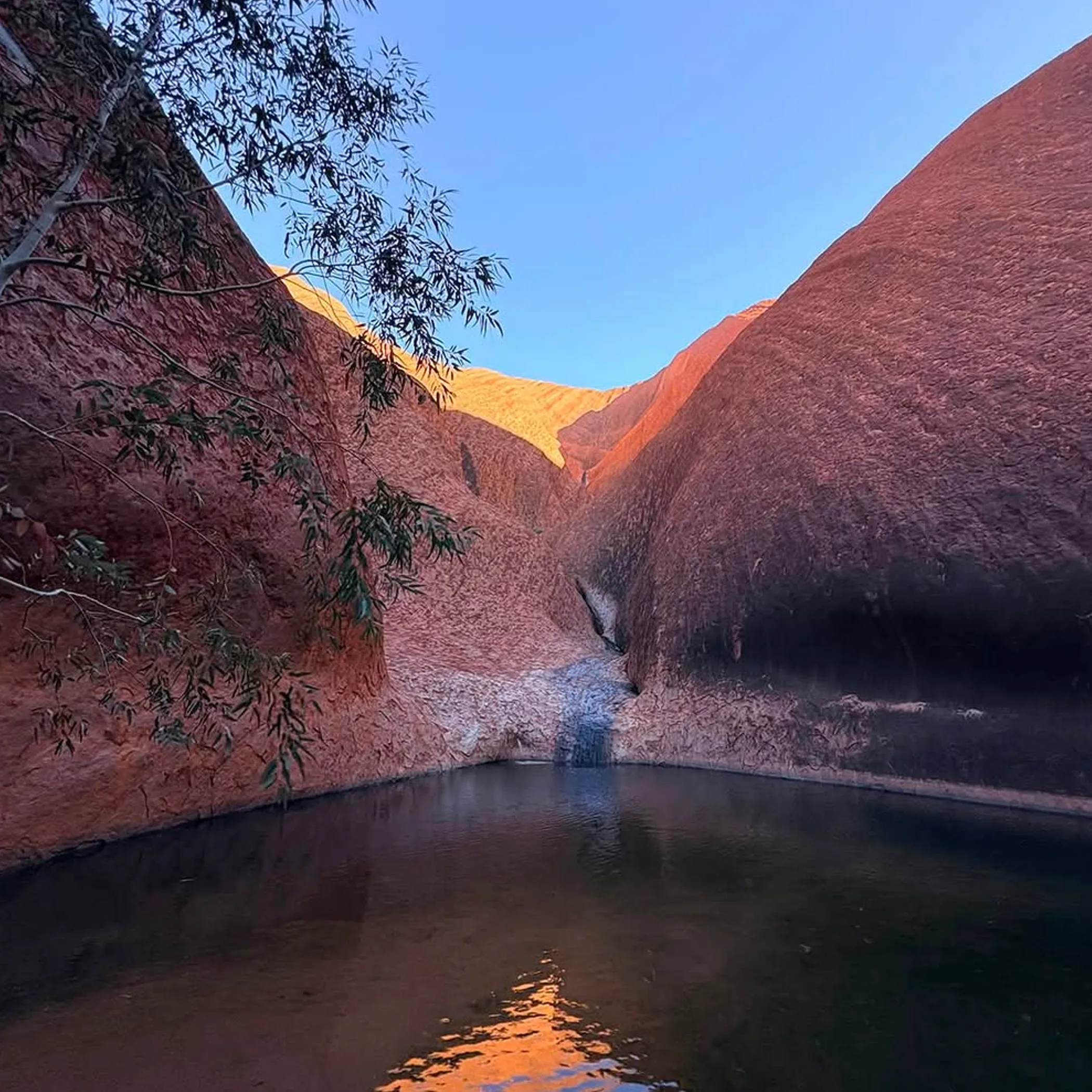
To put it briefly: have your torch, warm layers, real shoes and water, and some humility. The Red Centre is kind to the prepared. Those who are not will be found cursing the dust and picking up lip balm.
